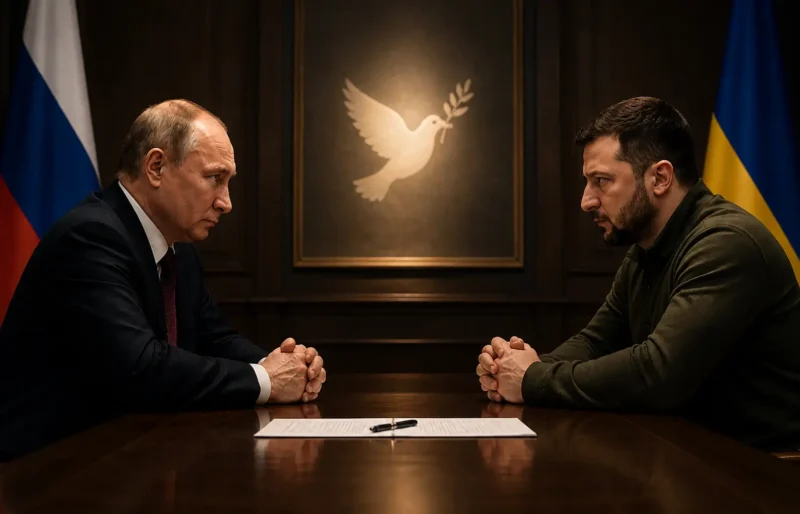
Introduction: Putin’s 2026 Russia-Ukraine Ceasefire
In a significant development on May 4, 2026, Russian President Vladimir Putin declared a two-day ceasefire scheduled for May 8-9 to commemorate Russia’s World War Two victory day. This announcement comes as a surprise move in the ongoing Russia-Ukraine conflict, sparking international attention and raising hopes for potential peace negotiations. However, the response from Ukrainian President Volodymyr Zelenskyy and international observers has been mixed, with cautious optimism tempered by skepticism about Russia’s intentions.
This blog post explores the details of Putin’s ceasefire announcement, Ukraine’s response, the potential implications, and what this means for the future of the conflict.
Putin’s Ceasefire Announcement: The Details
What Did Putin Announce?
Russian President Vladimir Putin declared a two-day ceasefire period on May 8-9, 2026, coinciding with Russia’s Victory Day celebrations—a significant date commemorating the Soviet Union’s defeat of Nazi Germany in World War II. Victory Day, celebrated on May 9, holds immense cultural and political importance in Russia.
The Timing and Significance
The timing of this announcement is strategic:
- Victory Day Importance: May 9 marks Russia’s most important national holiday
- International Attention: The declaration arrives during heightened international scrutiny of the conflict
- Diplomatic Signal: The move suggests potential openness to dialogue, though experts remain divided on its authenticity
Zelenskyy’s Counter-Proposal and Ukraine’s Response
Ukraine’s Immediate Reaction
Rather than accepting Putin’s proposal outright, Ukrainian President Volodymyr Zelenskyy issued a counter-proposal with a strategic twist. Ukraine proposed its own ceasefire beginning at midnight on May 5, 2026—significantly earlier than Putin’s May 8-9 timeline.
Key Points of Ukraine’s Response:
- Extended Duration: Ukraine’s ceasefire would begin three days earlier, effectively creating a longer pause in hostilities
- Confidence-Building Measure: This counter-proposal demonstrates Ukraine’s willingness to engage but on its own terms
- Strategic Positioning: By proposing an earlier start date, Ukraine attempts to control the narrative and show proactive leadership
- International Support: The move aligns with calls from Western allies for de-escalation
Read More:- West Bengal 2026 Election Results: BJP Leading in Close Contest Against Mamata’s TMC
International Sanctions and Support
United Kingdom’s Response
The UK responded to the ongoing conflict by taking decisive action against those facilitating Russian war efforts:
Key Actions:
- Announced sanctions against 35 people and entities
- Targeted individuals and organizations recruiting vulnerable migrants for Russian military service
- Focused on disrupting drone production supply chains for Russia
- Aimed at weakening Russia’s ability to sustain military operations
Broader International Context
The UK sanctions represent growing international pressure on Russia through economic and targeted measures rather than direct military intervention.
What This Means: Analyzing the Ceasefire Proposal
Potential Benefits of the Ceasefire
For Russia:
- Provides breathing room for military operations
- Allows commemoration of Victory Day without international criticism
- Demonstrates willingness to engage in dialogue
- Potentially divides Western unity on military support
For Ukraine:
- Offers temporary relief from intense combat operations
- Demonstrates commitment to peace processes
- Allows humanitarian efforts and civilian evacuation
- Provides time for reorganization and strategic reassessment
Skepticism and Concerns
Why Some Remain Skeptical:
- Track Record: Previous ceasefires and agreements have often been violated
- Limited Duration: A 2-day pause barely impacts a prolonged conflict
- No Verification: International observers question how compliance would be monitored
- Underlying Issues Unresolved: A 2-day pause doesn’t address core territorial and political disputes
The Broader Context: Russia-Ukraine Conflict
Timeline of Recent Developments
The Russia-Ukraine conflict has escalated dramatically since February 2022. The ceasefire proposal arrives amid:
- Ongoing intense fighting in key regions
- Millions of displaced persons and refugees
- Significant economic impact on global markets and supply chains
- Heightened tensions between Russia and Western nations
Impact on Global Security
The conflict has far-reaching implications:
- Energy Prices: Significant impact on global oil and gas markets
- Food Security: Ukraine and Russia are major grain exporters
- NATO Relations: Strengthened NATO unity and expansion discussions
- Military Aid: Continued Western military support to Ukraine
Key Questions and Uncertainties
What Happens After May 9?
- Will Fighting Resume? The most critical question remains whether hostilities will resume after the ceasefire period
- What About Negotiations? Will the ceasefire lead to actual peace talks?
- International Involvement: What role will Western nations and international organizations play?
Can This Lead to Lasting Peace?
For a sustainable peace, several conditions would need to be met:
- Verified ceasefire with international monitoring
- Return to pre-2022 borders or mutually agreed territorial settlements
- International guarantees and security arrangements
- Accountability for war crimes and violations
Implications for Global Affairs
Geopolitical Shifts
This ceasefire announcement signals:
- Diplomatic Opening: Potential for dialogue channels to reopen
- International Pressure: Global community demanding de-escalation
- Strategic Calculations: Both sides reassessing military and political objectives
Economic Ramifications
- Market volatility pending peace prospects
- Potential sanctions relief discussions
- Reconstruction and humanitarian aid considerations
Looking Ahead: What’s Next?
Short-Term Outlook (May-June 2026)
- Observe whether both parties adhere to ceasefire terms
- Monitor international mediation efforts
- Track humanitarian access and civilian protection
- Assess military positioning and strategic movements
Medium-Term Prospects (June-December 2026)
- Potential peace negotiations mediated by international bodies
- Discussion of territorial arrangements and security guarantees
- Reconstruction planning for affected regions
- Integration of Ukraine into international security frameworks
Conclusion
Putin’s declaration of a two-day ceasefire on May 8-9, 2026, represents a significant diplomatic development in the Russia-Ukraine Ceasefire. While Zelenskyy’s counter-proposal demonstrates Ukraine’s agency and commitment to de-escalation, significant skepticism remains about whether this pause will lead to meaningful peace negotiations.
The international community, exemplified by UK sanctions on Russian facilitators, continues to apply pressure while seeking diplomatic solutions. The success of this ceasefire—and any subsequent negotiations—will depend on genuine commitment from both parties and robust international oversight.
As the world watches these developments unfold, the outcome will have profound implications not only for Russia and Ukraine but for global security, economics, and international relations for years to come.
FAQs: Russia-Ukraine Ceasefire
Q: Why did President Vladimir Putin choose May 8-9 for the ceasefire? A: These dates commemorate Russia’s World War II victory, making them culturally significant for Russia.
Q: Will Zelenskyy’s earlier ceasefire proposal be accepted by Russia? A: This remains uncertain. Both parties are testing each other’s commitment to de-escalation.
Q: What international role is being played in these negotiations? A: The UN, European Union, and various nations are involved in diplomatic efforts, though direct mediation details remain limited.
Q: How reliable are Russian ceasefire declarations? A: Historical track record shows mixed compliance, requiring international verification mechanisms.
Read More:- West Bengal 2026 Election Results Countdown: The Epic Mamata vs BJP Battle
