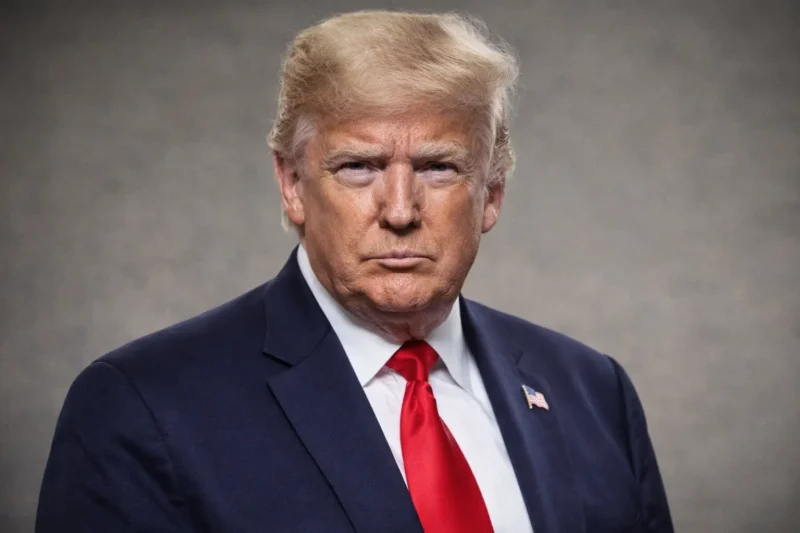
Introduction: Trump NCAA Reform 2026
In the year 2026 President Donald Trump signed rules for the NCAA. These new rules are called the NCAA Reform 2026. They are going to change college sports. The NCAA Reform 2026 has rules about who can play and for how long. It says you can play for five years. It also says you cannot transfer schools easily.
The reason for these rules is to help college sports have enough money. They want to make sure womens sports and Olympic sports are safe. They also want to stop all the fighting, about paying players. For a time college sports have tried to balance old ways with making money.. Now it is hard because it costs a lot of money and people are arguing about paying players. The NCAA Reform 2026 is supposed to help with all these problems.
What is the NCAA?
The organization responsible for administering collegiate athletics in the United States is called the National Collegiate Athletic Association (NCAA). The organization regulates rules, scholarships, and championships for over half a million student-athletes. The amateurism philosophy forms the basis of the organization. In the past, this policy prevented athletes from receiving payment for playing their sport, but changes in the name of NIL have modified this policy to some degree.
Comprehending NIL Regulations

The NIL rights let athletes make money from their name, image and likeness.
From 2021 athletes have been earning money through endorsement deals, social media, merchandise and appearances.
The NIL rights are really important here.
In 2026 a new law will require athletes to follow rules to avoid getting in trouble for pay-, for-play violations.
This law will make sure athletes comply with the rules when they earn money using their NIL rights.
Trump’s NCAA Reform Plan Explained
Purpose Behind the Reform
This reform seeks to bring back accountability in college sports through transfer limitations, the imposition of a five-year eligibility period, and linking compliance with federal funds.
Goals of the New Policy
- Roster stability
- Compensation fairness
- Protection of women’s sports and Olympic sports
- University accountability
Proposed Key Changes in 2026
- Eligibility Five-Year Rule: The athletes are required to complete their career in five years.
- Transfer Restrictions: Tougher restrictions minimize transfers among institutions.
- NIL Enforcement: Defined compliance structures promote integrity.
- Grants and Compliance: Federal grants contingent on compliance with NCAA regulations.
Read More:- Silver Boom 2026: Will Silver Become the Next Gold?
Effect on Student‑Athletes
Money and Job Opportunities
NIL continues to provide income opportunities for athletes. Now athletes have to be really careful, with the deals they make because there is stricter oversight. NIL is still a way for athletes to make money. That is a good thing but athletes have to think about what they are doing with NIL.
Balance in School
Eligibility limits and compliance policies promote completion of college education by athletes within a defined period of time.
Good and Bad Things About the Reform
Advantages
- Roster stability
- Responsibility for universities
- Safeguarding non-revenue sports
- More equitable NIL regulations
- Greater emphasis on academics
Disadvantages
- Less mobility for transfers
- Narrower window for careers
- Complex NIL negotiations
- Increased demands on academics
- Asymmetric recruiting chances
Future of College Sports After Reform
Possible Structural Changes
Universities can shift their recruiting tactics, establish compliance departments, and forge partnerships to maintain competitiveness.
Long‑Term Effects on NCAA
The NCAA might develop into a more federally responsible organization, ensuring financial stability and minimizing conflicts. While fans will appreciate roster stability, arguments regarding the fairness of large vs. small schools will persist.
Conclusion
The NCAA reform of 2026 under President Donald Trump represents a pivotal point for college athletics in many ways. The reforms, which involve tightening the requirements of eligibility, controlling NILs, and linking the two with federal funds, represent an attempt to sustain the spirit of tradition but within the contemporary framework.
FAQ: Trump NCAA Reform of 2026
Q1. What is the NCAA?
The NCAA governs college sports in America, regulating everything from scholarship opportunities to competitions and regulations.
Q2. What does NIL mean?
NIL refers to Name, Image, and Likeness, which gives players a chance to generate income through endorsements, social media, and personal branding.
Q3. What is the five-year rule?
The current five-year rule sets the time limit that athletes must play collegiate sports.
Q4. What happens when transfer limits get enforced?
With the five-year rule, athletes will not move frequently from one school to another; thus, roster changes are minimized.
Q5. Why are women’s and Olympic sports protected?
Compliance with federal funding regulations protects these non-revenue-producing sports from cuts to their budgets.
Q6. What are the benefits of the reform?
It ensures accountability, fairness, and stability for small colleges’ athletes without compromising the rights of other college athletes.
Q7. What are the potential downsides for athletes?
Transfers are restricted, the period of eligibility will be shortened, and NIL will be regulated.
Read More:- Oracle Stock Forecast 2026: Growth Drivers, Risks & Expert Investment Advice
