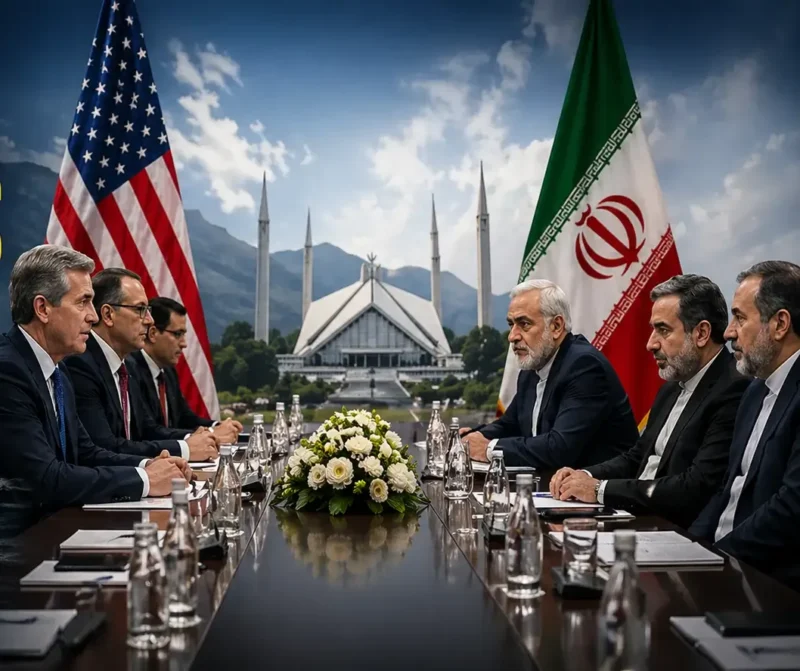
US Iran Peace Talks 2026
The world is watching with bated breath as the United States and Iran engage in some of the most high-stakes diplomatic negotiations of the 21st century. With the Strait of Hormuz closed, global oil markets in turmoil, and millions of lives hanging in the balance — the question on everyone’s mind is: are we finally moving toward peace, or is this just another false dawn?
What’s Happening: A Quick Background
In February 2026, the United States and Israel launched a series of coordinated military strikes against Iran, targeting its nuclear program and ballistic missile infrastructure. Iran responded swiftly — closing the Strait of Hormuz, launching counter-strikes across the region, and pulling the entire Middle East into a prolonged conflict.
Since then, the world hasn’t been the same.
The Strait of Hormuz — a narrow, 33-kilometer-wide waterway between Iran and Oman — is arguably the most strategically important chokepoint on the planet. In normal times, approximately 20% of the world’s oil supply and 20% of global liquefied natural gas (LNG) pass through it every single day. When Iran shut it down, global energy markets went into shock.
Now, with Pakistan serving as a key mediator, the US and Iran are locked in fragile, back-and-forth negotiations that could either end the conflict — or escalate it further.
The Strait of Hormuz: Why It Matters So Much
Before diving deeper into the peace talks, it’s important to understand just how critical the Strait of Hormuz is to global stability.
Key facts about the Strait:
- Over 3,000 vessels used to pass through the strait every single month before the conflict.
- Since the blockade began, that number has fallen to just 5% of pre-war levels.
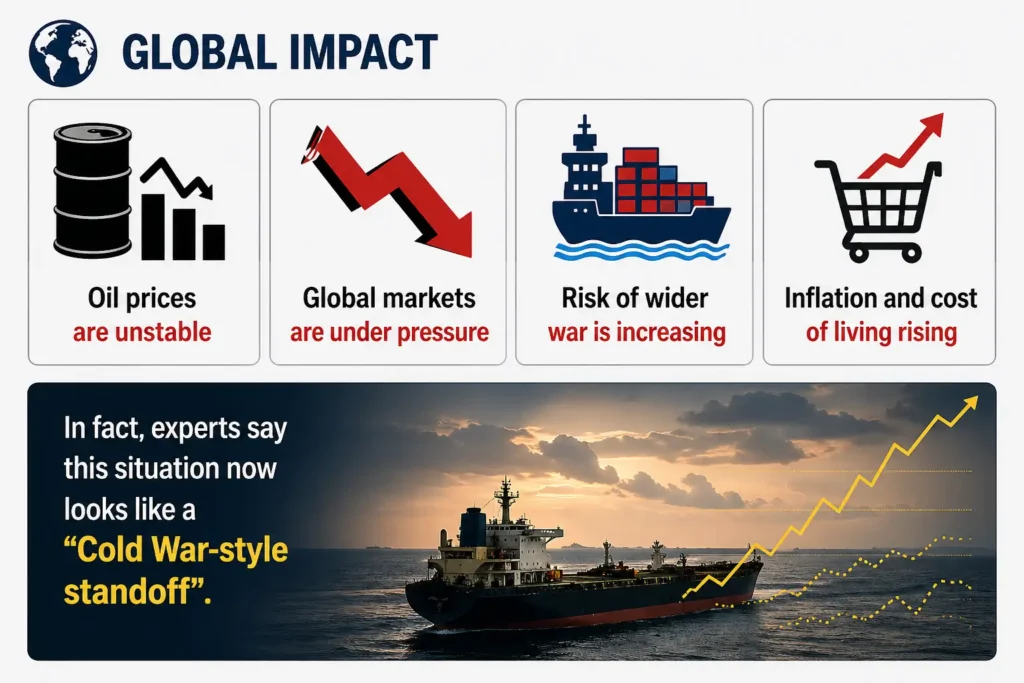
- The closure has pushed global oil and gas prices to multi-year highs.
- Russia — a major energy exporter — has benefited enormously from the price surge.
- Several Arab states have been forced to cut or suspend oil production due to Iranian attacks on their infrastructure.
The economic damage is not just regional — it’s global. Countries like India, which rely heavily on Persian Gulf oil imports, have seen fuel prices spike dramatically. Global supply chains, already strained post-pandemic, are under severe pressure once again.
Goldman Sachs has raised its Brent crude oil market price forecast to $90 per barrel by late 2026, citing disruptions in the Persian Gulf that are proving “more persistent than earlier assumed.” Global oil inventories are estimated to be drawing down at a record pace of 11 to 12 million barrels per day in April 2026 alone. Even if the strait reopens soon, the supply lag and depleted inventories suggest the energy crisis will linger for months.
Read More:- “Petrol & Diesel Prices Hold Steady in India — What’s Keeping the Rates Stable 2026?”
The Peace Talks: Where Things Stand Right Now
As of April 28, 2026, the situation is deeply complex. A conditional ceasefire between the US and Iran has been in effect since April 8, brokered by Pakistani Prime Minister Shehbaz Sharif. However, both sides have continued to jockey for advantage — and the US Iran ceasefire has been violated multiple times.
Here is a timeline of key developments:
- February 2026: US-Israel strikes on Iran begin, targeting nuclear and missile sites.
- March 2026: Iran closes the Strait of Hormuz; only 15 ships pass through by mid-month.
- April 8, 2026: A two-week ceasefire is declared, mediated by Pakistan.
- April 13, 2026: The US launches a counter-blockade on ships seeking access to Iranian ports.
- April 21, 2026: President Trump extends the ceasefire to allow more time for negotiations.
- April 27, 2026: Iran submits a new proposal to reopen the strait while deferring nuclear talks.
- April 28, 2026: Trump’s national security team reviews the Iranian proposal.
The latest Iranian offer is significant — Tehran has proposed reopening the Strait of Hormuz and ending the war first, while setting aside the nuclear issue for a later stage. This proposal was delivered through Pakistani mediators after Iranian Foreign Minister Abbas Araghchi met with Omani, Pakistani, and Russian officials over the weekend.
What Does Iran Want?
Iran’s position, while nuanced, can be broken down into a few core demands:
- End to the US naval blockade on Iranian ports
- Reopening of the Strait of Hormuz under international oversight (not American control)
- No forced dismantling of nuclear enrichment as a precondition for peace
- Security guarantees against future US or Israeli strikes
- War reparations for damages sustained during the conflict
The key sticking point is the nuclear issue. The US wants Iran to suspend uranium enrichment for at least a decade and remove its enriched uranium stockpiles from the country — two demands that Iran’s leadership is deeply divided over internally.
What Does the US Want?
The Trump administration has been equally firm in its objectives:
- Iran must never obtain a nuclear weapon — this is described as a non-negotiable red line
- The Strait of Hormuz must be freely open to all international shipping, without Iranian conditions or toll-like arrangements
- Iran’s ballistic missile program must be scaled back
Secretary of State Marco Rubio made the US stance crystal clear in a Fox News interview: the US will not accept a system where Iran decides “who gets to use an international waterway and how much you have to pay them.” The administration insists that international waterways cannot be subject to Iranian gatekeeping — period.
Meanwhile, Trump canceled a planned meeting between envoys Jared Kushner and Steve Witkoff with their Iranian counterparts in Pakistan over the weekend, citing “tremendous infighting and confusion” within Tehran’s leadership. However, he later told reporters that Iran had followed up with a “much better” offer — suggesting back-channel diplomacy is still very much alive.
The Role of Regional Mediators
One of the most interesting aspects of these negotiations is the critical role being played by Pakistan as the primary mediator. Pakistan has hosted multiple rounds of talks in Islamabad and has kept communication channels open between Washington and Tehran even when talks appeared to break down.
Other key players include:
- Oman — historically a trusted back-channel between the US and Iran
- Qatar and Turkey — both passing messages between the two sides
- Russia — Iranian FM Araghchi traveled to Moscow to meet Putin, signaling Iran is seeking broader diplomatic backing
- China — co-sponsored a peace initiative alongside Pakistan in late March 2026
The United Kingdom and France have also hosted international conferences on reopening the Strait of Hormuz, with 38 countries signing a joint statement expressing readiness to contribute to safe passage of commercial shipping.
What Happens If the Talks Fail?
The consequences of a diplomatic breakdown would be severe — for both sides and for the world.
For global energy markets:
- Oil prices could surge well beyond $100 per barrel
- European nations, already struggling with energy costs, would face a severe winter energy crisis
- Developing economies like India and Pakistan would face devastating fuel inflation
For the Middle East:
- A renewed military escalation could draw in more regional actors
- Iran has threatened military action if the US blockade continues
- The human cost — already enormous — would multiply
For the US:
- Republican lawmakers are already expressing concern about Trump’s focus on the Iran conflict as the 2026 midterm elections approach
- A prolonged war without a clear end strategy could become a major political liability
What Happens If the Talks Succeed?
A successful peace deal — even a partial one that simply reopens the Strait of Hormuz — would have immediate, far-reaching consequences:
- Oil prices would drop sharply, providing global economic relief
- India stands to benefit enormously from renewed access to cheaper Iranian crude
- Global shipping and trade would begin recovering
- It would create goodwill and momentum for harder nuclear negotiations in a second phase
However, analysts caution that even a deal on the strait would be just the beginning. The nuclear issue would remain unresolved, and without a permanent framework, the risk of future conflict would remain high.
The Bottom Line: Hope, But Not Certainty
The US-Iran peace talks of 2026 represent one of the most consequential diplomatic efforts in recent memory. The stakes — for global energy markets, regional stability, and millions of lives — could not be higher.
As of today, there is cautious optimism. Iran has shown flexibility by proposing to separate the Hormuz issue from nuclear negotiations. The US is reviewing the proposal. Pakistan, Oman, and other mediators are working overtime to bridge the gap.
Read More:- Raghu Rai Is No More, But His 50,000+ Photographs Are India’s Eternal Legacy
