
Introduction: PNG vs LPG
Every Indian household knows how stressful it is to see their gas bills go up. One month it’s okay. The next month its a big burden. Families often wonder: should we use LPG cylinders or switch to PNG connections?
The debate is not about saving money. It is also about the safety of the people the convenience of using cooking fuel and what the future of cooking fuel, in India will be. The truth is, when you choose between PNG and LPG you are making a decision that affects not your kitchen but also your peace of mind when you are using PNG and LPG.
PNG and LPG. What Are They?
PNG Gas Explained
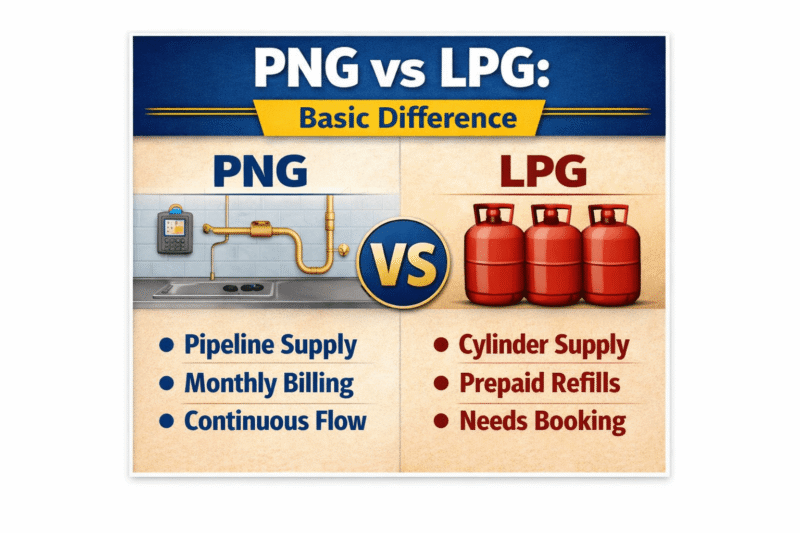
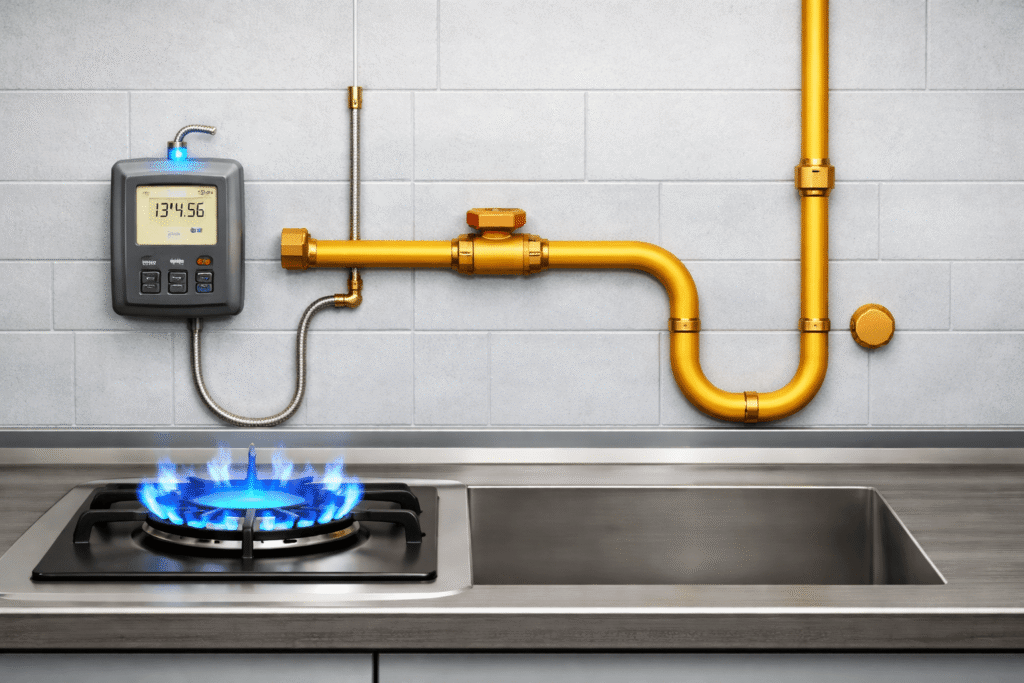
PNG gas comes directly to homes through pipelines. You don’t need to store cylinders book them or wait for delivery. You get your bills every month like your electricity bill.
LPG Gas Explained
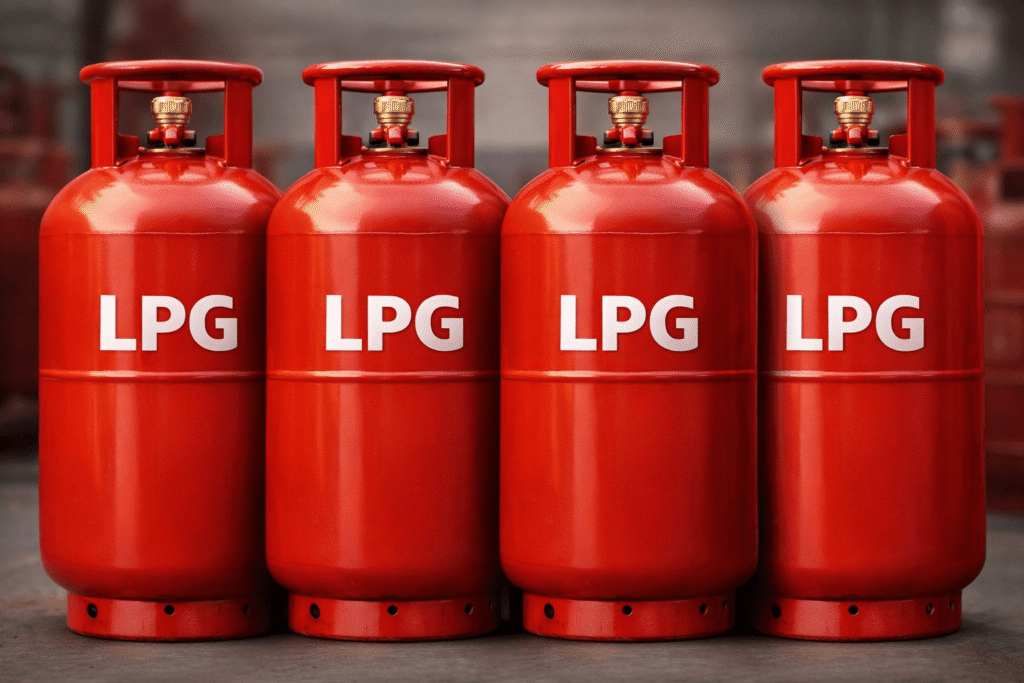
LPG gas is stored in cylinders. Delivered to homes. It has been Indias cooking fuel for a long time.
Basic Difference Between PNG vs LPG
PNG gas flows through pipelines. LPG comes in cylinders.
PNG billing is done after you use it. LPG is prepaid.
PNG supply is continuous. LPG needs refills.
Read More:- RBSE 10th Result 2026 LIVE: Website Crash & Easy Steps
PNG vs LPG. Detailed Comparison
Cost Comparison
PNG is often cheaper per unit. Your bills will vary depending on how much you use. LPG cylinders have fixed prices, which can go up or down when the government changes them.
Safety Comparison
PNG is considered safer because its easier to find leaks and you can stop the supply quickly. LPG leaks are more risky because of the pressure in the cylinders.
Convenience
PNG is convenient. No need to book cylinders or wait for delivery. LPG is available in rural areas making it more accessible.
Efficiency
Both PNG and LPG cook food efficiently. PNG has a flame but LPG can sometimes fluctuate when the cylinder is almost empty.
Installation and Setup
PNG needs pipeline infrastructure, which’s only available in some cities. Setting up LPG is simple. You just need a cylinder and a regulator.
PNG: Pros and Cons
Advantages
- You get a supply of PNG.
- No storage hassle.
- You get bills.
- PNG is safer in case of leaks.
Disadvantages
- PNG is not available everywhere, in India.
- You need to pay for installation.
- You depend on the pipeline network.
LPG: Pros and Cons
Advantages of LPG
- LPG is available over India
- It is easy to install
- The cylinders are portable
- Many families get subsidy benefits
Disadvantages of LPG
- There are often delays when you book and get a delivery
- There is a risk that the cylinder will leak
- The price of LPG can change a lot
Now lets compare PNG and LPG to see which one is cheaper.
Monthly Cost Analysis
If you use PNG your bill will depend on how much you use it. This is often lower for families. If you use LPG you have to pay for the cylinder even if you do not use it all. This can feel like a lot of money if you cook every day.
Long-Term Savings Comparison
In the run PNG usually saves people money. This is because the price of PNG is stable and you do not have to pay for delivery. The price of LPG can change a lot.
Real-Life Example
For example a family of four that cooks every day might find that PNG is cheaper.. Lpg might be better for households that do not cook every day.
To use PNG vs LPG safely you need to follow some rules.
If you use PNG you should
- Install detectors that can find leaks
- Make sure the pipeline is working properly
- Pay your bills on time so you do not get disconnected
If you use LPG you should
- Check the regulator and pipe regularly
- Not store cylinders inside your home
- Keep the cylinder upright at all times
If there is a gas leak you should
- Turn off the supply immediately
- Open the windows to get some air
- Call the emergency helpline
Environment Impact – PNG vs LPG
Which is More Eco-Friendly?
PNG has a carbon footprint, which means it is better for the environment in the long run. LPG contributes more to greenhouse gases.
PNG Availability and Connection Process in India
PNG is not available everywhere in India. It is mostly available in cities and some urban areas.
If you want to get a PNG connection you have to
- Apply or at the local gas office
- Give them some documents
- Pay the installation charges
- Then they will set up the pipeline connection
You need to give them
- ID proof
- Address proof
- KYC
PNG vs LPG – Final Verdict (2026)
So which gas is better for homes?
PNG is better for homes in cities where it’s available.
You should choose PNG if
- You live in a city where PNG’s available
- It is cheaper, safer and more convenient for you
You should choose LPG if
- You live in an semi-urban area
- LPG is the option available to you
The Human Rights Test
Families that use LPG cylinders that’re not safe students in hostels with bad gas setups and households with faulty pipelines could get hurt.
They could get hurt if
- We ignore safety standards
- We hide leaks
- We do not give them a way to complain
This matters because cooking fuel is something that everyone needs and safety’s very important.
We need to make sure that we follow some safety rules.
We need to
- Check the pipelines and cylinders
- Be transparent about billing and safety
- Have independent inspections of suppliers
- Give consumers a way to complain
- Prevent people from misusing gas connections
The things to remember are
- PNG is cheaper and safer where it is available
- LPG is still the option in rural India
- Safety is very important and we need to make sure that we follow the rules
- In the run PNG saves people money
- The choice between PNG and LPG depends on where you live and your lifestyle
FAQ: PNG vs LPG
Q1: Which gas is safer, PNG vs LPG?
PNG is generally safer because the pipelines are monitored.
Q2: Is PNG cheaper than LPG?
Yes in cities PNG is cheaper.
Q3: How does PNG billing work?
You get a bill, like your electricity bill.
Q4: Can households switch from LPG to PNG?
Yes, if PNG is available in your city.
Q5: Which gas is more eco-friendly, PNG vs LPG?
PNG is more eco-friendly because it produces emissions
Conclusion: PNG vs LPG
In conclusion choosing between PNG and LPG is not about the cost. It is, about safety, convenience and accountability. We need to make sure that we are transparent and follow the safety rules. All cooking fuel is not just something we use it is something that every Indian home needs.
Read More:- https://wavethenews.com/diego-garcia/
